

In this post, I want to mention some of the organisations and charities available within the UK that offer services that can help connect people and help combat feelings of loneliness. Loneliness can be a problem for some at any age of course – it very much isn’t confined to just our retirement years. But our older years can bring along particular life changes that can increase the likelihood of feeling lonely. These can include;
- Death of a spouse, family member, or close friend
- Declining health/mobility
- Inability to drive leading to more time being spent at home
- Cognitive decline
- Sensory loss making communication more challenging
This post will explore the impact loneliness can have on both our mental and physical health, and will look at the differing support offered by organisations within the UK that help bring people together.

The Hidden Health Risks of Loneliness
Chronic loneliness is bad for your health as it can increase the risk of depression, heart disease and premature death. According to the Centers for Disease Control and Prevention, long-term isolation places a heavy burden on both the mind and body.
Loneliness and depression often go hand in hand and can be part of a vicious cycle. As psychologist James C. Jackson, PsyD, a research professor of medicine at Vanderbilt University Medical Center in Nashville, Tennessee, states;
“The more people get depressed, the more they isolate, a fact that heightens feelings of loneliness, which, in turn, worsens depression,” says Dr. Jackson. “It is often a vicious cycle.”
Research supports this idea, with studies finding that the relationship between loneliness and depression is bidirectional.
Along with social withdrawal, other symptoms of depression — such as persistent feelings of sadness, emptiness, and hopelessness — could also lead to loneliness, says Drew Maygren, DO, a psychiatrist at Kaiser Permanente in Oakland, California.
“These symptoms may result in behaviours that create loneliness,” says Dr. Maygren. “For example, if someone feels like others are judging them for their depressive symptoms, they may avoid reaching out, which could ramp up feelings of loneliness.”
Research highlighted by the British Heart Foundation suggests that loneliness and social isolation can have serious consequences for our physical health, not just our emotional wellbeing. A major review of studies found that people who experience loneliness or social isolation have a 29% higher risk of developing coronary heart disease and a 32% higher risk of suffering a stroke. While the research does not prove that loneliness directly causes these conditions, it adds to growing evidence that strong social connections play an important role in maintaining good health. The encouraging message is that taking steps to build relationships and stay connected may benefit both your mental and physical wellbeing.
Research into chronic loneliness has been linked to other negative outcomes such as ;
- Anxiety
- Poorer sleep
- Increased stress
- Higher blood pressure
- Cognitive decline
- Reduced immune function
I say all this not to alarm, but just to share awareness that loneliness can bring a host of both physical and mental health challenges. It’s important for those who are experiencing loneliness to understand that their responses are normal, be they a mental or physical reaction. And it’s also important for others to understand the impact loneliness can have on an individual. If we understand this, steps can then be taken to share knowledge and suggestions on how the individual can reconnect with others, however that may look.
We will shortly move on to looking at a variety of different UK support services and charities that do sterling work in helping combat loneliness, but before we do so, I just want to expand briefly on what being lonely actually means.
I have written previously on this subject in my post Why You Can Feel Lonely Even If You’re Not Alone. In this article, I talk about how people can live on their own and not be lonely. They are happy with their own company – they don’t necessarily need others to aid their wellbeing. I’d argue I’m a little like that myself.
Others, however, may spend time with people and have an active social life, yet still feel lonely in social settings. Some may not feel understood in their social circles, whereas others may feel they are being judged or they hide their true self just to ‘fit in’. For some, anxiety or stress may be experienced, as they worry about what others might think about them.
Loneliness is complex. It can be defined as a mismatch between the social connections you have and the ones you actually want. It can be seen as a feeling of a lack of meaningful belonging.
“Loneliness and the feeling of being unwanted is the most terrible poverty.” – Mother Teresa
Let’s move on then. Let’s now take a look throughout the rest of this post at a number of services that are available within the UK to help older individuals combat loneliness.
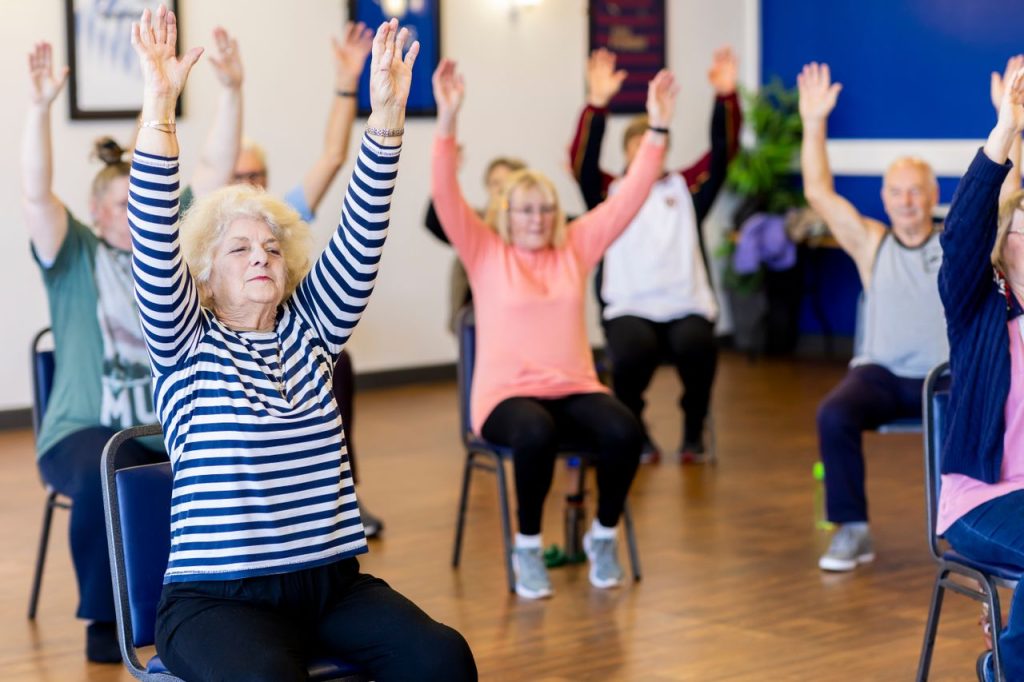
You’re Not Alone: UK Charities and Organisations That Can Help
If loneliness has become part of your retirement, it’s important to remember that support is available. Across the UK, charities, community groups and organisations are helping thousands of people build new friendships, rediscover hobbies and reconnect with their communities. Here are some of the best places to start.
1. Age UK
Founded in 2009, Age UK was created through the merger of two long-established charities, Age Concern England and Help the Aged. By combining their expertise and resources, the new organisation set out to become the UK’s leading charity dedicated to supporting older people. Today, Age UK works alongside a network of local Age UK charities, providing advice, practical support and campaigning to improve later life for millions of people across the country.
Age UK offers a wide range of services designed to help older adults remain independent, healthy and connected. One of its best-known initiatives is the Telephone Friendship Service, which matches older people with trained volunteers for regular phone calls, helping to reduce loneliness and social isolation. The service is there for people later in life who’d like to talk to someone. They state on their website that you don’t need to be feeling lonely…and you don’t need to live on your own. Sometimes it’s just nice to talk.
In many communities, local Age UK branches organise exercise classes, lunch clubs, coffee mornings, social groups and digital skills sessions, giving older people opportunities to stay active and build new friendships. The charity also offers practical support through services such as home help, befriending schemes and dementia support in some areas.
Alongside its direct services, Age UK campaigns nationally to improve healthcare, social care and financial security for older people, ensuring that their voices are heard by government and society. Through its combination of practical support, trusted advice and community activities, Age UK continues to play a vital role in helping people enjoy a happier, healthier and more fulfilling later life.
Who is this service best for?
Age UK is an excellent starting point for almost any older person looking for support, advice or companionship. Whether you’re approaching retirement, adjusting to life after work or supporting an older family member, the charity offers a wide range of services to suit different needs.
2. Re-engage
Re-engage is a UK charity dedicated to reducing loneliness and social isolation among older people. Originally founded in 1965 as Contact the Elderly, the charity was created to provide friendship and companionship to older adults who were living alone and had few opportunities to socialise. In 2019, the organisation changed its name to Re-engage to better reflect its growing range of services and its mission to help older people stay connected to their communities.
Today, Re-engage is led by a team of staff and supported by around 9200 volunteers across the UK. Together, they work to ensure that older people, particularly those aged 75 and over, have opportunities to build meaningful friendships and enjoy regular social contact.
One of Re-engage’s most valued services is its Call Companions telephone befriending programme. The service carefully matches older people with a volunteer who provides a friendly, regular phone call, usually at the same time each week. Rather than offering counselling or advice, these conversations are simply an opportunity to chat, share stories, discuss everyday life and build a genuine friendship over time. Having a familiar voice to talk to each week can make a significant difference for someone who may otherwise spend long periods without meaningful conversation.
In addition to telephone befriending, Re-engage organises Tea Parties and Activity Groups, where older people can meet others in a relaxed and welcoming environment. These gatherings help participants develop new friendships, reduce feelings of isolation and become part of a supportive community.
Re-engage believes that no one should face later life alone. By providing regular companionship, encouraging social connections and creating opportunities for friendship, the charity helps thousands of older people across the UK feel valued, connected and less isolated. Its work is a powerful reminder that sometimes the simplest acts—sharing a conversation, listening with kindness or spending time together—can have the greatest impact on someone’s wellbeing.
Who is this service best for?
Re-engage is ideal for older adults aged 75+ who live alone, feel isolated, or would simply benefit from regular conversation and opportunities to make new friends.
3. The Silver Line Helpline
The Silver Line Helpline was launched in 2013 by broadcaster and campaigner Dame Esther Rantzen following research highlighting the growing problem of loneliness among older people. Her vision was simple but powerful: to ensure that no older person would have to feel that they had no one to talk to. In 2022, The Silver Line became part of Age UK, allowing the service to reach even more people while continuing its important work.
The helpline provides free, confidential support for older people across the UK, offering friendship, information and reassurance. Whether someone is feeling lonely, anxious, worried or simply wants a friendly conversation, trained staff and volunteers are there to listen without judgement. For many callers, knowing that there is always someone available to talk to can provide enormous comfort and help reduce feelings of isolation.
In addition to offering immediate emotional support, the helpline can signpost callers to local services, community groups and organisations that may be able to provide longer-term assistance. The service also includes regular friendship calls, helping older people build trusted relationships through ongoing conversations.
Who is this service best for?
The Silver Line Helpline is particularly suited to older people who live alone, feel isolated or would simply benefit from having someone to talk to. It can also be a valuable source of reassurance for anyone going through bereavement, adjusting to retirement or experiencing a difficult period in later life. Sometimes, a friendly voice at the end of the phone can make all the difference.
4. The Marmalade Trust
The Marmalade Trust is a UK charity dedicated to raising awareness of loneliness and helping people build meaningful social connections. Founded in 2013 in Bristol by Amy Perrin, the charity was established after she recognised that loneliness was a widespread issue affecting people of all ages and backgrounds. Since then, Marmalade Trust has become one of the UK’s leading voices on loneliness, working to reduce the stigma surrounding it and encouraging open conversations about the importance of human connection.
One of the charity’s best-known initiatives is Loneliness Awareness Week, an annual campaign that brings together charities, businesses, schools and community groups to highlight the impact of loneliness and inspire people to reach out to others. Marmalade Trust also provides resources, advice and practical ideas to help individuals and organisations create more connected communities.
Rather than offering a traditional befriending service, the charity focuses on education, awareness and empowering people to take positive action. Through campaigns, research and partnerships, it encourages simple acts of kindness and community involvement that can help reduce loneliness before it becomes a more serious problem.
Who is this service best for?
Marmalade Trust is ideal for anyone wanting to better understand loneliness, whether for themselves, a friend or a family member. Its resources are particularly valuable for people looking for practical ways to build stronger social connections, start conversations about loneliness or become involved in creating more inclusive and supportive communities. The charity reminds us that loneliness can affect anyone—and that small acts of connection can have a lasting impact.
5. Independent Age
Independent Age is one of the UK’s oldest charities supporting older people, with a history dating back to 1863 when it was founded as the United Kingdom Beneficent Association (UKBA). Originally established to help people experiencing poverty in later life, the organisation has evolved over more than 160 years while remaining committed to helping older people live independently and with dignity. In 2005, it adopted the name Independent Age, reflecting its modern mission to help older people remain independent and informed.
Today, Independent Age focuses on improving the lives of older people who are facing financial hardship. It offers a free and impartial helpline, where trained advisers provide expert guidance on issues such as benefits, pensions, housing, social care, health, and the cost of living. The charity also produces a wide range of easy-to-understand guides and factsheets, helping older people and their families make informed decisions about later life. Alongside its advice services, Independent Age campaigns nationally to tackle poverty, improve access to support and ensure that the voices of older people are heard by policymakers.
Who is this service best for?
Independent Age is particularly valuable for older people who are worried about their finances, struggling with rising living costs or unsure what financial support they may be entitled to. It is also an excellent resource for family members and carers seeking trusted, impartial advice on benefits, housing, care and maintaining independence in later life. For anyone looking for clear guidance rather than products or sales advice, Independent Age is an excellent place to start.
6. Royal Voluntary Service
The Royal Voluntary Service is one of Britain’s longest-established charities, with a history dating back to 1938. Originally founded as the Women’s Voluntary Services (WVS) by Stella Isaacs, Marchioness of Reading, the organisation was created to help communities prepare for the challenges of the Second World War. Volunteers played a vital role by supporting evacuees, providing emergency assistance and helping families affected by the conflict. Over the decades, the charity has evolved to meet changing social needs and, in 2013, adopted the name Royal Voluntary Service to better reflect its diverse volunteer network and wide range of community services.
Today, the charity works across the UK to help people live independent, connected and healthier lives. One of its key initiatives is the Virtual Village Hall, a free online programme offering live and recorded exercise classes, arts and crafts sessions, cooking demonstrations, quizzes, music, guest talks and social activities. It provides an excellent way for older adults to stay active and connected, particularly if they have limited mobility or live in rural areas.
The Royal Voluntary Service also supports people returning home from hospital through practical assistance and companionship, helping to reduce isolation during recovery. In addition, thousands of volunteers give their time to support local communities, offering friendship, practical help and opportunities for people to remain engaged with others.
Who is this service best for?
The Royal Voluntary Service is ideal for older people who want to stay active, meet new people and remain connected to their community. It is particularly valuable for those who may be unable to attend regular social groups in person, are recovering from illness or hospital treatment, or are looking for enjoyable online activities. It is also an excellent choice for retirees who would like to volunteer themselves, combining the opportunity to help others with the chance to build new friendships and maintain a strong sense of purpose in later life.

Final thoughts
Loneliness is something that many people experience at different stages of life, and retirement can sometimes bring changes that make those feelings more noticeable. The important thing to remember is that loneliness is not a sign of weakness, nor is it something that has to be faced alone. Taking the first step towards reconnecting with others can feel daunting, but it can also be the beginning of a happier and more fulfilling chapter.
The organisations featured in this guide—Age UK, Re-engage, The Silver Line Helpline, Marmalade Trust, Independent Age and the Royal Voluntary Service—are all working to help people build friendships, access support and feel more connected to their communities. Whether you’re looking for someone to talk to, practical advice, local activities or opportunities to volunteer, there is help available.
If this article encourages just one person to pick up the phone, join a local group or take that first step towards making a new connection, then it has achieved its purpose. Retirement doesn’t have to be lonely. With the right support, a willingness to try something new and a little courage to reach out, it’s possible to build meaningful friendships and enjoy a retirement filled with connection, purpose and belonging.
Remember—you don’t have to do it all at once. Sometimes, one conversation is all it takes to start changing your story.
In future blog posts, I will take an in-depth look at the organisations mentioned in this post, giving them a separate blog each. I feel it’s only fair to these charities that I do them justice with their own separate articles.
As ever, thank you for reading.