
If you’ve never been a gym person (like me), never been a runner (like me), never been particularly sporty (like me) then you are very much not alone. There’s me for a starter! Many of us have spent decades working, raising families, keeping on top of all household chores, basically living life; therefore, it’s easy to see why there may not be too much time left for fitness. But now for some good news: in retirement, you don’t need to buy Lycra shorts or a rowing machine to reap the benefits of movement. You can simply open the front door, take a few steps, and start walking.
Walking is the ultimate, no-fuss exercise. No equipment needed, of course (save for some clothes – probably advisable you do wear something), no memberships, no complicated instructions. And for those who may have been less active throughout life, it’s the gentlest (yet surprisingly powerful) way to boost both your body and your mind. That’s the thing – it’s two-fold. You are working on both your physical and mental health at the same time. Now that can’t be bad. Whether it’s a 10-minute stroll or a daily ramble, walking offers immediate benefits that add up over time – helping you feel brighter, stronger, and more in control of your health.
Why Walking Works – Especially for Beginners
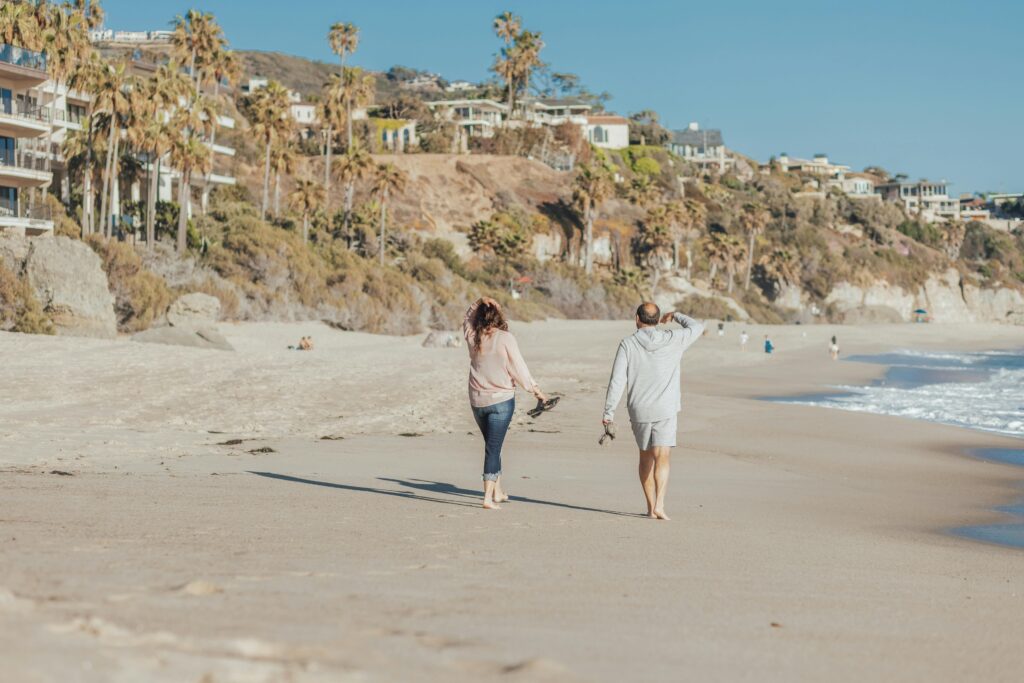
The beauty of walking is its accessibility. Almost everyone can do it, and you can start at your own pace. Unlike sports or gym classes, there’s no learning curve.
You can walk solo, with a partner, in a group, with a dog, with friends – there are a lot of options. Walking can also fit neatly into your daily life – post a letter, pop to the shops, meet a friend, or dare I say it, just go for a walk.
It’s also low impact, meaning it’s gentle on joints and bones, and the risk of injury is far lower than with more vigorous exercise. And importantly, you’re in charge: walk fast, walk slow, walk short, walk long, it’s entirely up to you.
The Immediate Benefits of Walking
One of the great things about walking is that you don’t have to wait months to notice the difference. The rewards come surprisingly quickly.
Mood lift: Even a short walk triggers the release of ‘happy chemicals’ like serotonin, dopamine and endorphins. Research shows that just 10 minutes of walking can boost mood and reduce stress.
Stress reduction: Walking can reduce stress and boost our cognitive abilities. Outdoor walks add an extra layer of benefit thanks to fresh air, greenery, and natural light.
Better sleep: A gentle stroll in daylight helps reset your body clock, making it easier to nod off at night and sleep more deeply.
Sharpened focus: Walking is proven to improve creativity, memory, and problem-solving – even immediately afterwards.

Long-term Mental and Brain Benefits
Retirement is a time when many people worry about keeping their brains sharp. Walking has you covered here, too.
Slows brain-ageing: A Penn State study found that older adults who walked regularly had brains up to four years ‘younger’ in terms of cognitive function.
Protects against dementia: Regular walking helps reduce the risk of dementia and Alzheimer’s disease by supporting memory, learning and overall brain health. Even two to four hours of walking a week can make a measurable difference
Reduces risk of depression: Researchers found that just 75 minutes of brisk walking a week can lower depression risk by nearly 20%. Doubling that amount brings even greater protection.
So, those gentle steps aren’t just moving your legs – they’re actively defending your brain.
Physical Health Gains You Can Count On
Walking might look simple, but inside your body, it’s doing powerful work.
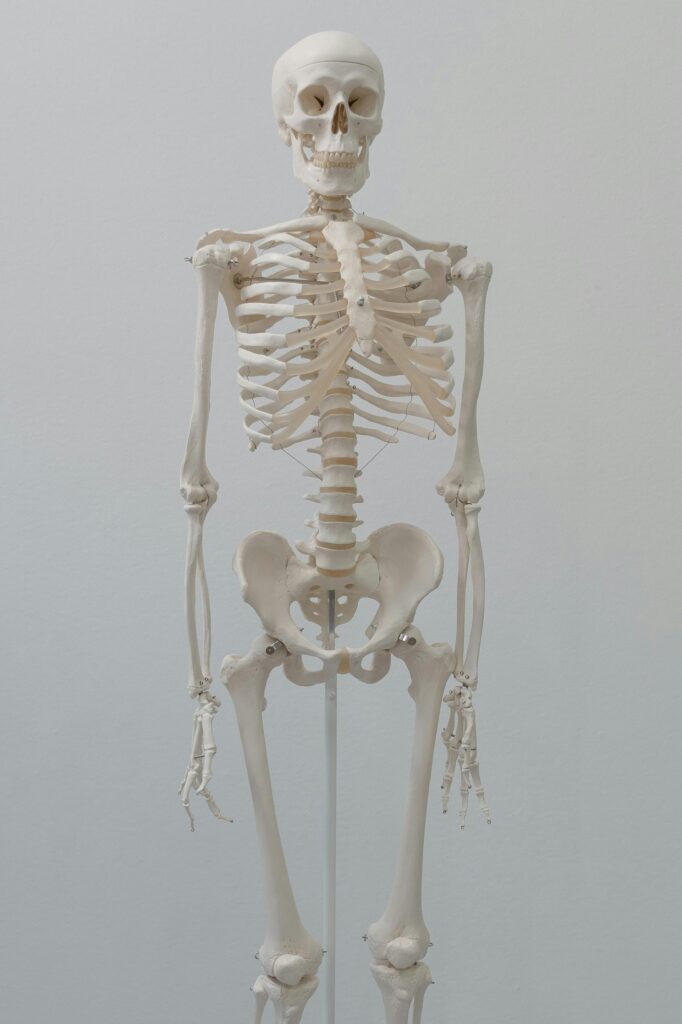
Stronger muscles and joints: Walking strengthens the legs, hips, and core, keeping you steadier on your feet and reducing fall risk. It also keeps joints mobile, eases stiffness and arthritis symptoms.
Better heart health: Just 7000 steps a day can dramatically lower the risk of heart disease, high blood pressure, stroke, and even premature death.
Blood sugar control: A 10-minute walk after meals helps regulate blood sugar and reduces inflammation, lowering the risk of type 2 diabetes.
Weight management: Walking burns calories steadily and gently, helping to manage weight without extreme effort.

Don’t forget – it’s free!
I know we all know this, but how often in life do we get to experience something enjoyable, and offer us numerous benefits, and we’ve not had to pass any of our hard-earned money over to somebody else? I’ve often thought this (and please don’t laugh!), but if there was a turnstile outside of my front door where you had to pay a monthly membership to exit (as you might in a gym), I would be willing to pay if it gave me the freedom to explore where I want, when I want. Sounds silly, I know, but that’s the worth I place on walking. But fortunately, none of our houses has this silly little feature added; therefore, the delights of exploring the outside world come to us free of charge. Amazing!
Just as an add-on to this, when you think about it, it can be some of the simple, yet deeply meaningful things in life that are available to us at no cost. Worth thinking about, I believe, in a world where so much that is on offer requires us to pass over money. But it costs nothing to have a laugh with a friend, get a hug from your grandchild, feel the warmth of the sun on your face – I believe walking sits in the same category.
And the best part? You can do it anywhere. Down your street, through a local park, along the beach if you’re lucky to live near one. Walking doesn’t ask for a subscription or a monthly payment – it just asks you to take the next step. Few things in life are that generous, and fewer still are so effective.

Come on then – let’s get started
If you’ve never exercised much, one method is to start small and build gradually.
Begin with 5-10 minutes. You don’t have to – go bigger if you want, but if you feel a little hesitant about doing that, no bother. Kick off with 5 – 10 minutes. You can build on this over time if you wish, but, as studies have shown, there are numerous benefits of walking just 10 minutes a day.
Add some daylight. You can’t beat a bit of daylight, can you? Sunlight is a nice Vitamin D boost for us, and also helps with our mood – so try to head outdoors when you can. This can be more challenging when the shorter days start to rear their ugly heads, but see if you can grab yourself a lunchtime walk.
Set easy goals. Setting goals can be a motivator when you commence a walking habit. Having perhaps a daily, weekly or monthly target can inspire you to go on. Believe me, there’s nothing better (well, there might be!) than getting up early, getting a nice amount of steps in before the daily demands on your time kick in. It is a nice feeling.
Make it social. I’m going to be honest. I love walking on my own – it’s great thinking time to ponder over different things. I might also listen to music, or podcasts, whatever I fancy on the day. Saying that, however, some of my favourite walks have been with my family. It gives you a chance to have conversations you likely wouldn’t have if you were stuck in the house for the evening. Having good conversations can also make the time fly as well. Great for getting even more steps in.
Try different routes. Variety is the spice of life, as they say, so try and experiment and walk in different areas. Take a chance. If you see a sneaky little pathway, and you’re unsure where it’s leading, go on, give it a go. What’s the worst that can happen? Well, I guess you might get lost, but hey, just turn around again and all will be fine! Just kidding, of course – but if you see a path and you’re curious, maybe just have a little sneaky peek and see what is down there.
Conclusion: One Step at a Time
Walking isn’t about setting records or competing with anyone. It’s about giving yourself the gift of movement, fresh air, and time to think. For those of you in retirement, walking is more than exercise – it’s a doorway to better health, sharper thinking, improved mood and greater independence.
So don’t worry about marathons, fancy trackers, or athletic gear. Just take that first step out the door (there will be no turnstile there, promise). Because with walking, every step really does count – and the journey to a healthier, happier retirement begins with one small stroll.