
I talk a lot on this website about finding purpose, carrying out meaningful activities and connecting with others during our post-work life. And all for good reason. I believe (as research also shows) that if we want to retain good mental health and wellbeing, we need to find value in what we do and feel that we are contributing, whether that’s within our family unit, or indeed externally within our community or even wider. If, however, we lived a life such as this for 16 awake hours a day, 7 days a week, 365 days a year…mmm…I think we might start to get a little bit of burnout going on. So, as much as an active and meaningful way of spending time is important, we also mustn’t ignore that we need a sense of balance – we also need to chill and rest.
When I talk about rest, I don’t mean just bagging your 7 or 8 hours of sleep during the night. That is important, of course, but we will also talk about the slower, softer practices, such as napping, quiet afternoons, and a permission slip to do nothing sometimes. Feels strange, doesn’t it – doing nothing. I believe there is a difference in doing nothing when you plan and set out to do nothing, than if you just end up doing nothing when you feel like you should be doing something. Ooh, that was a bit wordy, wasn’t it – oh well! Anyway, I will talk more about that later (oh no, I hear you cry!)
Rest isn’t laziness – it’s a vital sustaining practice that will make purpose work for you. You may (hopefully so) have decades ahead of you to fill – pacing yourself is therefore vital. Below, I explain the science, the everyday benefits, and practical ways to bring more rest into your retirement – without sacrificing meaning or momentum. Come on – let’s go!

The Science: Rest Supports Brain, Body & Mood
Sleep and rest, of course, are not optional choices in life. I think we all understand the importance of a good night’s kip, and not racing around at 100mph during the 16 or so hours we are awake. There is a growing body of research linking good sleep habits and sensible rest (including measured napping – more on that later) to better physical health, sharper cognition and improved mood as we age.
Regular, sufficient sleep (typically 7-9 hours for older adults) supports immune function, cardiovascular health, memory and emotional regulation. Older adults still need around the same amount of sleep as younger adults, even if the pattern changes with age.
Daytime rest – including short naps – can improve alertness, mood, and some aspects of cognition when used sensibly. Reviews of the scientific literature report positive effects of mid-day napping on vigilance, memory and mood for older adults, though the benefits do depend on nap length, timing and individual health.
There are nuances, however: Some recent longitudinal research suggests that very frequent or irregular daytime napping (especially in the morning) may be associated with poorer longer-term brain health in older adults, possibly because excessive daytime sleepiness can be a marker of underlying problems. This means you need to “rest wisely” – make it regular and attuned to your body.
Taken together, the evidence says: rest is restorative and protective — when balanced. It’s not an either/or where purpose crowds rest out; rather, the two should support each other.
Okay, pretty heavy science stuff there. Important, of course, but let’s balance it out with a somewhat silly quote;
“I’m so good at sleeping I can do it with my eyes closed”
Mmm…yes, okay – time to move on.

Why Retirees Sometimes Underestimate Rest
There are several reasons why people in retirement often undervalue rest.
Cultural pressure to be “busy” – There can be this notion that we always have to be productive to be fulfilled. Yes, I believe that to have a fulfilling life, you have to be productive, but there has to be a balance. There can be external pressure sometimes to be busy, whether this comes from well-meaning self-help gurus, social media, or even pressure we can sometimes put on ourselves. Yes, being productive is vital for many reasons; however, we need to balance this out with our own downtime.
Guilt about unstructured time – After decades of work routines, empty hours can feel suspiciously like wasted time. I get that. We’ve been so used to juggling our work and home life for such a huge part of our lives that few of us will have had time to just decide one day that we’re going to put our feet up. Few of us would have had that luxury. So I can see why guilt may creep in because we’re just not used to giving ourselves purposeful rest time.
Confusing rest with passivity – Rest can be mistaken for doing nothing. In reality, though many restful practices – walking slowly, mindful breathing, short naps – actively restore the nervous system and mood.
Understanding these traps helps you design a retirement life where rest is a positive choice, not a grudging afterthought.

How Rest and Purpose Work Together
I’ve talked previously about finding purpose in retirement, about why it’s a must rather than being optional. Purpose is about carrying out activities, with intention, that have meaning for you. It might be volunteering, creative projects, fitness goals, mentoring others – the list truly can be endless – but it’s about you spending a portion of your waking week carrying out pursuits that give your life meaning. Rest is important, as it gives you the energy and emotional bandwidth to pursue those things sustainably.
Here’s how they complement each other:
Rest replenishes motivation: After a restorative nap, or perhaps even a day or two of lighter activity, people often feel more enthusiastic and clear-headed about their projects.
Rest protects against burnout: Even if we are carrying out meaningful and enjoyable activities, we can still put ourselves at risk of exhaustion. We need to factor in rest times or rest days, and gentler pacing to prevent enthusiasm for a pastime from turning into fatigue or resentment.
Rest improves performance: Cognitive tasks, memory, problem solving and creativity all do better when the brain has had high-quality sleep and downtime. That means to bring increased focused attention to the things you care about.
Think of purpose as the destination and rest as the fuel that keeps your engine running.
“There is virtue in work and there is virtue in rest. Use both and overlook neither.” – Alan Cohen
Practical Ways to Prioritise Rest
Okay, let’s take stock of where we’re at. We’ve looked at some of the science around why rest is important – and I think that most, if not all of us, will agree that incorporating some downtime into our lives post-retirement is essential. We’ve looked at why we might undervalue rest, taking into account possible societal pressures to keep on going, or indeed feelings of guilt we might experience if we decide to spend a day watching The Lord Of The Rings trilogy – and then watching it again. I mean, how much hassle can one ring actually cause? We’ve also recognised that we want to live a purposeful life – ultimately, that is good for our mental wellbeing – therefore, we’ve considered how we can incorporate rest into our lives, but still retain that sense of purpose that is oh so important.
Great. So, let’s take a look now at how we can incorporate rest by looking at a few suggestions – no dramatic lifestyle overhaul required here.
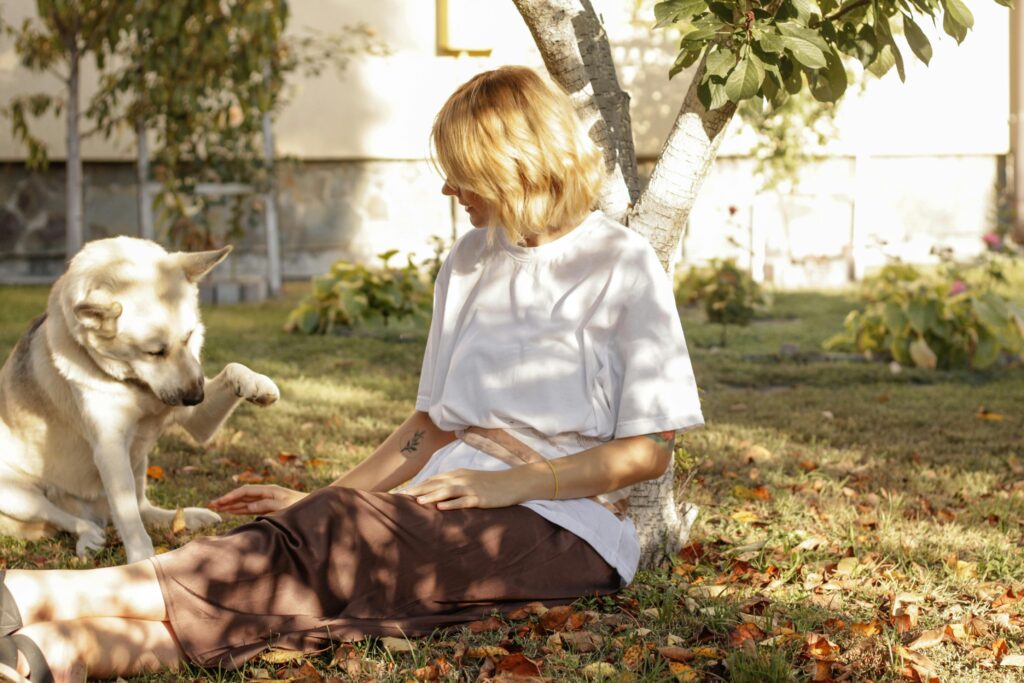
Schedule “do nothing” time – Sounds good, doesn’t it? Well, why not. Maybe block out a chunk of time – it might be 15 minutes, 30 minutes, even an hour – where you do something that requires very little effort. It could be sitting in the garden, reading a magazine, popping to the park to check out the view, or just opening your front door, popping a chair outside, and watching the world go by. Someone close to where we live does that during the summer months. Suffice to say, he’s got a pretty crazy tan.
Build purposeful slow days – Ooh, how does this work then? Well, not every day needs to be action-packed. Designate one, perhaps even two, days per week where activities are nice and small and taken at a leisurely pace. This could be a short volunteer shift, a chat with a neighbour, or pottering around in your garden. This keeps the purposeful side of things present (volunteering, social connection, etc) but gives your mind and body a bit of a break.
Quote time.
Andale! Andale! Arriba! Arriba! – Speedy Gonzales
Niche quote there. So we don’t all have to run around at the speed of “The Fastest Mouse in all Mexico”. Hey, you never know, even Speedy may have taken the odd opportunity to potter in the garden or have a chinwag with a neighbour. Although…I doubt it.
Use low-effort restorative activities – Gentle yoga, tai chi, slow walking, listening to music, or guided relaxation apps can all shift your nervous system from “go” to “rest and digest”. They count as rest because they reduce stress and help restore energy.
Have a nap, but learn to do it the smart way – Short naps (15-30 minutes) in the early afternoon can boost alertness without interfering with nightime sleep for many people. You would certainly need to avoid very long naps or late afternoon shut-eye, as this could impact your normal nightly sleep patterns. You could track how you feel after different nap lengths and times, and choose what helps you the most. If you’re interested, this research article looks at the benefits and risks of napping in older adults.
Protect social rest – Socialising is good, and can be highly energising, but it can also be draining. Balance social purpose with solo restorative time so you can keep showing up for others without depleting yourself of energy. It can be a tricky one, and I think some of this depends on personality. Some people like to socialise lots, others less so. There is no right or wrong with this. As with lots of things in life, it’s about finding balance, and of course, what works best for you.

Here’s a First for my Blogs – It’s Question Time!
The reason I’m going down this route is because I recognise it can get a little confusing about how we juggle doing meaningful activities in life, whilst also taking appropriate amounts of time to relax and keep our energy levels in good order. All very important. Right, let’s kick off the questions.
Will resting make me more lazy or bored?
Definitely not. If rest is intentional, and you balance it out with meaningful activities, then when you come to rest, you will feel like you have earned it. To me, there’s a huge difference in taking rest when you feel you deserve it – i.e you have carried out the tasks you intended to that day – rather than drifting through the day, not doing a great deal, then flopping on the settee. A huge difference between the two.
How do I rest if I’m caring for someone or on a tight budget?
Yes, completely get that. Caring responsibilities can take over and be a big part of your days and weeks. Remember that rest doesn’t have to be expensive or long. Five minutes of paced breathing, sitting on a bench or even shifting your chores around so you can create quiet pockets of time are all possibilities. If you are a carer, look for small micro-rests where you can. If you get a number of these during the day, this will benefit both your physical and your mental health.
How do I stop feeling guilty for resting when I feel I “should“ be doing more?
You have likely worked so hard over your life, and been used to this, so I can see why feelings of guilt may come about. Do remember that in retirement, rest isn’t wasting time – it’s renewal time. Try reframing rest as an investment in your wellbeing, rather than a break from purpose. It’s all part of the big picture. It’s unfeasible to think that you can just keep on going – our bodies just aren’t built to be able to do that. Purpose doesn’t disappear in stillness; in fact, it can often deepen there. Perhaps some good thinking time for you, or just fully switching off. Whichever suits at the time. Giving yourself permission to rest is one of the healthiest acts of self-respect.
What kind of rest helps me feel re-energised – physical, mental or emotional?
This is interesting – this question just came to me. I’ve never really thought about this too much before, but tiredness can impact us in different ways. Physical rest might mean a nap, stretching or maybe just moving gently. Mental relaxation could be switching off from thinking. So this could be a meditation practice, or a gentle walk where you just take in your surroundings. It’s looking to quieten your mind, which is something we all need sometimes. And emotional rest can come from being around people that you get on with, those that make you feel safe, comfortable and not judged in any way. The key really is noticing what kind of fatigue you are experiencing – then choosing rest that restores that part of you.
Time for one more, I hear you cry – yeah, go on then.
How can I make rest feel intentional rather than passive?
Intentional rest means choosing to pause, rather than just collapsing with exhaustion. You could schedule rest into your day as much as you might schedule a coffee with a friend, or your volunteering activity. Set yourself a clear intention – “I’m resting to restore my mind and body”. It’s sometimes how we think about these things. Being honest, sometimes I fall asleep at times I’d rather not as a means of escape – not very often, but it can happen. And for me, that’s the wrong reason. We should be taking time out to restore ourselves, not because we’re bored necessarily, but because we know it’s important to recharge. The more consciously you rest, the more you will notice its benefits – calmer thoughts, better focus and a deeper sense of contentment.
Right, enough questions and answers, I think. Hope these helped a little. If you have a question yourself, please, please do add in the comments below. I will always respond to you. It’s important to me to keep dialogue alive.
Okay, it’s just about time to wrap up. But not before we have a few final thoughts.

A Few Final Thoughts!
Retirement is about living well, being fulfilled and being as healthy as possible with the time we have. Purpose lights the way for you – makes you consider who you are and what you want to be. Rest keeps you steady on the journey, helps maintain your energy levels and will help you continue living a meaningful life for the long haul. Treating rest as essential – not optional – is a simple but powerful shift. It helps your mood, protects your cognition, boosts your enjoyment of purposeful activities and makes for a more sustainable, fuller retirement.
I hope you’ve enjoyed reading this post, and as ever, thank you for doing so. Please do add any comments below, whether it’s questions you might have regarding mixing rest and purpose, or just general thoughts that are swarming in your head. I really do want to feel this is a community here, so let’s interact and share all the good stuff.
Right, I’m off now for a nice kip – planned of course.