Retirement. It’s meant to be a time of freedom, of thinking “I’ve earned this you know” and more time for you doing the things in life that you love. And often, it can be that way. But it can also bring surprising emotional challenges.
You will likely find that the structure of your day changes – heck, you may even find it hard to develop a structure. Your social contacts might drop, and the purpose you held during your working life just isn’t there any more. In the UK, many people face loneliness, low mood or depression in retirement. The good news? Well, there are ways through it – ways to feel more connected, more grounded shall we say, and happier in this new chapter.
What’s Going On: The UK Picture
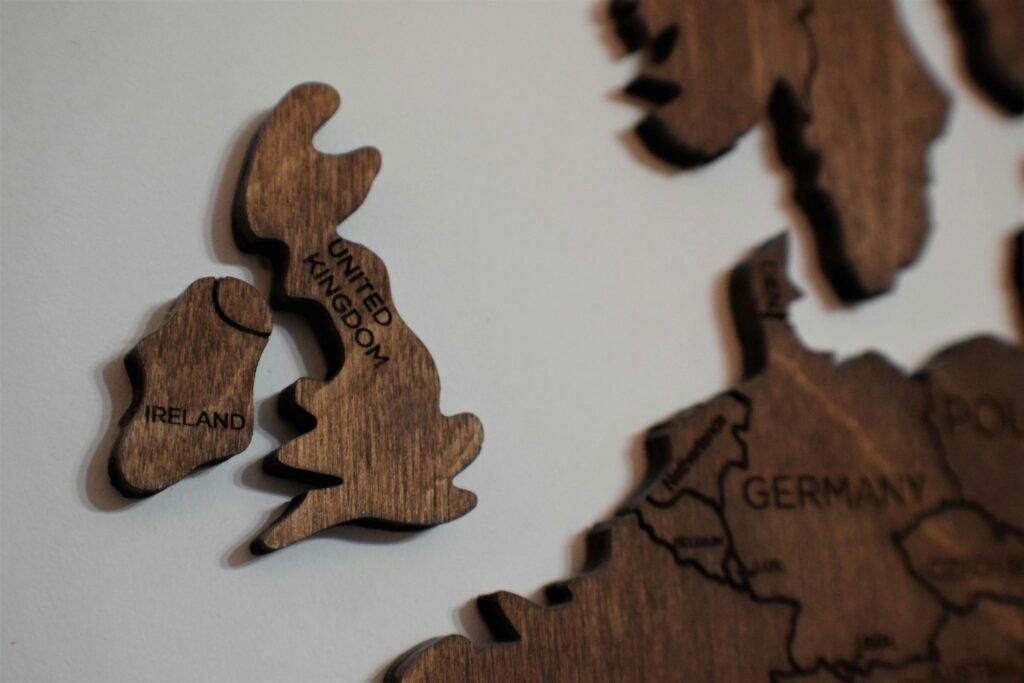
In this blog post, I am going to focus on the UK side of things, purely as this is the country I live in. However, I will do a further post in due course where we take a look at the worldwide picture. What I want to do now though is look at the research (and lived experience) and what it tells us about mental wellbeing and retirement here in the UK.
Loneliness & Social Isolation
According to Age UK, about 940,000 people aged 65 and over in the UK say they’re often lonely. That’s a big number, too big of course. It also could well underestimate how many quietly feel loneliness but don’t report it.
Many older people live alone. For example, more than 2 million in England aged over 75 are living alone. And over a million older people report going more than a month without speaking to a friend, neighbour or family member. This to me is far too many and is a crying shame. Social connection is so important, and it’s sad that this amount of people can go such a large amount of time without getting that contact.
Chronic loneliness is serious. Age UK calls it ‘often lonely‘ which is really talking about a persistent feeling, not just a temporary low.
Depression, Low Mood & Identity Loss
The Mental Health Foundation stats are telling: among people aged 65+, depression affects around 22% of men and 28% of women, yet 85% of older people with depression receive no help through the NHS. Percentages are one way to look at this, but if you think we are talking nearly 1 in 4 people here for men, and over 1 in 4 people for women. Put 100 people into a room and circa a quarter of them are suffering with depression. A very telling statistic.
Studies show that loneliness isn’t just unpleasent: it raises the risk of developing depression. There is a strong link there. One long-term UK study says up to one in five cases of depression among other adults could be prevented by reducing loneliness.
Also, the psychological shift is real. Work often gives purporse, routine, structure. When that’s gone, people can sometimes feel adrift, meandering along so to speak. Some of that comes from not knowing what fills your time or what makes you ‘useful’ now. You know, being honest, sometimes I personally question myself as to whether I fill my time well when I take a week off work – imagine having those doubts over a period of several decades. How will fill our time is so important to our overall mental health.
The Time Factor: Short-Term vs Long-Term
Research suggests that right after you retire, loneliness may increase (or feelings of isolation) because you are adjusting to big changes: loss of daily routine, fewer social interactions, maybe physical changes as we age. But it’s not permanent. An encouraging sign is that over a few years many people report feeling less lonely and more settled.
Important: The first year or two can be hardest for many. It’s when the shock of this big change, perhaps the biggest change you have ever faced in life, is fresh.
Okay, so why does all this matter?
It’s because these feelings – loneliness, low mood, loss of purpose – aren’t just about feeling sad. They can affect physical health, even shorten life expectancy, increase risk of chronic illness, make recovery slower, affect sleep, memory, and day-to day enjoyment. The impact is in so many different areas. A person’s wellbeing in retirement affects quality of life far more broadly than just ‘do I enjoy my hobbies.’

What Helps: Possible Ways Forward
Below I am going to reference some practical, real-life ways people are dealing with this, or might deal with it, to find more joy, connections, and meaning in retirement. You might already have thoughts of these, or are already using some. Some might be new to you and ideas you may consider trying.
Gently Rebuild Routine & Rhythm
You don’t need a Monday-Friday 9-5, but having small anchors can help
- Pick a few regular ‘things’ in the week you look forward to. This could be a walk, a coffee with a friend, an existing or new hobby, a class of some description. There is so much choice out there, and so much opportunity for us to experiment with different ideas. If you like something, keep doing it. If you don’t, then stop and try something else. We have an abundance of choice available on how we spend our time, however, we don’t always necessarily see that.
- It might help to plan loosely ahead: “Mondays I try this, Wednesdays I do that” so you’re not just drifting. Try and think of something to do and promise yourself you will stick to it. It may help you feel a little better afterwards, once your chosen activity is done.
- Consider “rituals” that mark the day: a good breakfast, reading, time outside. These help anchor identity. You could say “at 11.00 am I will read for 30 minutes”, or at 1.30 pm “I will step outside and enjoy some fresh air.” You could consider making these daily activities the same time each day, or every other day. Whatever you think might work for you.
Re-discover Purpose in Small Ways
Sometimes, when we think about purpose, we think of the big things. You know, things like climbing a mountain or training for a marathon. You can do that if you wish, or even both at the same time (imagine that!), but purpose doesn’t have to be big and grand. Small things can also mean a lot.
- Volunteering is huge. Even 1-2 hours a week helping at a local charity, community centre or befriending scheme can make you feel useful and socially connected. So many parts of society will be crying out for volunteers. You can pick something important to you (my wife would pick animal charities for sure), or you could just pick an opportunity where you think help is needed. Either way, volunteering makes you feel you are contributing, purely because that is exactly what you are doing.
- Learning something new: painting, writing, online study, or playing an instrument. Again, with the internet playing such an integral part in our lives, there is choice galore on subjects you could learn about. This all helps to keep your brain engaged, focused, and who knows, you could become the next expert on mycology (the study of fungi, apparently – and yes, I had to Google that!)
- Sharing knowledge: mentoring, teaching, helping younger people, helping friends and neighbours with things you know well. Again, you feel valued as you are being called up as someone with skills and knowledge in a certain area, and at the same time, you are helping someone else. Another great way of connecting socially.
Look After Physical & Mental Health
So, so important this. Our mind and bodies are so connected – look after both and we can put ourselves into a much better place.
- Regular, gentle exercise: walks, swimming, yoga. Even gardening counts. Get trimming those roses or pulling out those pesky weeds. Movement helps mood, sleep and energy.
- Sleep & rest: It is important to get a good night’s sleep so you have the energy to attack the day ahead. Avoiding too much screen time late evening is also something to aim for. It can make it harder for you to fall asleep due to the blue light from devices suppressing melatonin production.
- Nutrition: simple but important – try having balanced meals, with a mixture of proteins, carbohydrates and fats, along with vitamins and minerals. Try and maintain portion control and keep yourself hydrated.
Mindset, Acceptance & Gratitude
Changing how we think about retirement can shift how it feels. The link between our thoughts and feelings is so important. Getting our thinking in order is vital to us to try and achieve positive feelings.
- Allow yourself to grieve what’s been lost (identity, routine, daily chores). By that, I mean recognise these are aspects of the past and that the future truly is a blank canvas ready to be filled with the rest of your life story. That can either be a frightening prospect or a joyous one. How you think about it will determine whether it’s the latter or the former.
- Try gratitude: Try to think daily about the things you are grateful for. And really, these can be what you might perceive to be the smallest of things. It might be a good chat you had with someone, seeing a flock of geese fly overhead making a racket (I saw that a few days ago and thought it was a wonderful sight, which is why it is fresh in my head!), or maybe you listened to some music which made you feel good. I do strongly feel that sometimes the things we take for granted, the simple things, can sometimes be the most joyous of life experiences. Let’s make sure we realise that at the time, not years down the line, when maybe those experiences are no longer part of our lives.
- Mindfulness journaling: this might help you to notice patterns in mood, what drags you down vs what lifts you. Over time, you might see what you want more of (friendship, purpose, being outdoors, etc.)
Take It Slow, Be Flexible
There truly is no rush. The transition from working life to retirement is huge. Let yourself adjust at a pace that is right for you.
- Phased retirement if possible: If you haven’t already retired, maybe consider (if it’s possible for you) a phased retirement rather than switching all at once. It might make the shock of going from one part of life to a completely different one a little less in your face. I appreciate this may not be possible for you, depending on your employer or the nature of your work, but if it is a choice you have, it’s maybe one to consider.
- Experiment: I do think this is such an important aspect to consider. We really do have what I perceive to be a virtually endless choice of what we can do with our time. And most of the choices out there, we will never go anywhere near. So try something new – buy a deck of cards, do a jigsaw, listen to a genre of music you’ve never listened to before, borrow a book on narrowboats (or any other topic of your choice ) from a library, learn pottery, learn photography, take up candle making, start baking…shall I stop now!! There’s a lot out there – try something new and if it resonates with you and you enjoy it, stick with it. If you don’t like it or are a bit nonplussed, chuck it in the bin. At least you tried.
- Set realistic expectations: not every day will be glowing. Some will be quiet, perhaps even a bit boring. That’s okay. We’re not perfect, and why should every minute of every day be exactly how we want it to be? The trick is that the boring, dull, procrastinating days are a much smaller part of our overall retirement. But the chances are we will have them – accept that and know that you are working to make these minimal, and that a lot of your future time will be fulfilling and meaningful for you.
Use Help & Community Resources
You don’t have to “go it alone”
- The NHS, local councils, and charities offer mental health support. There are helplines, counselling, and group counselling sessions too. If you’re able to, have a Google of local mental health services and see what’s there. If that isn’t easy for you to do, see if you can seek support from someone and ask them for help. Reach out to your local GP if necessary.
- Charities like Age UK run befriending and support services
- Organisations like The Silver Line offer telephone friendship, advice and connection. Even a regular chat can make a difference.
- Local community centres, faith groups, and volunteer services are often underused but very valuable.

What You Can Do This Week
If you are reading this and thinking, “yes, this probably does apply to me” here are a few gentle steps you could try before the week is out.
- Message or call one person you haven’t spoken with in a while – friend, neighbour, old work colleague. It can be difficult to call someone out of the blue – I do get that. But just literally go armed with an opening line or two, such as “It’s been a while – I just wanted to check in with you to see how you are”, or “I just felt I needed a little chat and thought of you – have you got just a few minutes spare?” Pick an opening line that feels comfortable for you and see where the conversation may go.
- Look up what groups or clubs are in your area, perhaps based on something you like (walking, art, music, reading). Maybe try one.
- Go for a short walk somewhere – a nearby park if you have one, a local trail, or even just up the road. Location doesn’t overly matter – just getting one foot in front of the other is the main purpose here.
- Do something just for you: maybe reading a book you’ve been putting off, a new hobby, drawing, or baking. Remember, our behaviour impacts our thoughts and feelings. Carry out a behaviour that is positive, you will likely think more positive thoughts, and in turn experience more encouraging feelings. It’s a cycle. Try and get it moving in a positive manner.
- If, however, low mood has been sticking around for some weeks, consider booking in with your GP to explore talking therapy, counselling, or some other mental health support.

Final Thoughts: There Is Hope
Retirement won’t always feel perfect. When you think about it, what is perfect in life? Most things just don’t work out that way. There will be times when it just feels like a long, slow week. When you miss the structure, the laughs and banter, the sense of being part of something bigger, that is bound to affect you in some way. That is normal. But you can rebuild a new kind of structure. You can find purpose, joy, and connection. It can and probably will take effort, even a bit of trial and error, along with some kindness to yourself. But many people do find a new structure, a new way of living. Many do find this chapter of life deeply fulfilling.
If you’re going through it, know you’re not alone – and that there are things you can do, small steps that make a difference. You deserve to feel good in your retirement – you really do. You have worked hard, achieved lots, and now it should be time for you to relax, but live life with purpose, on your terms, not a teacher’s or manager’s terms.
Retirement is yours now – let’s make it as rich, connected and joyful as possible.