I think there’s a problem when we talk about the word ‘purpose’. I believe a common misconception is that when we talk about “finding purpose” it needs to be some far-off big goal, such as climbing Everest (or climbing Everest backwards – actually, no, that would be silly!), writing a bestselling novel, or training for a marathon. All of these are fine of course (except walking up Everest backwards) but in reality purpose can be something which is much more everyday – yet very powerful as we get older. And the link between having purpose and staying healthier in later life is stronger (and perhaps more surprising) than many assume.
What Do We Mean by “Purpose”?
Before diving into why it matters, let’s just take a moment to unpack exactly what we mean when we talk about purpose.
Purpose vs meaning: Okay, so while these two terms are related, they’re not the same. Meaning often involves reflecting on life as a whole, the coherence of events, and the sense of “what I’ve done matters.” It’s seeing your existence as significant and valuable, in terms of the things that you do and have done. Purpose however, tends to be more future-focused, goal-oriented: having things you still want to do, reasons for getting up in the morning and some direction for how you want to live. Wow, heavy stuff for the first few paragraphs on a blog post! Go and grab yourself a coffee or something stronger if you need – just kidding 🙂
Components of purpose often include clarity of goals, having the motivation to pursue them, feeling that your actions matter (to yourself, or indeed others) and integration of purpose with identity. Identify is a huge concept. It’s heavily linked to your self-esteem, how you think about yourself. These things, I believe, are hugely important. How you view yourself matters – we all want to strive to think and feel the best we can about ourselves. If we have a purpose, this will help in this regard.
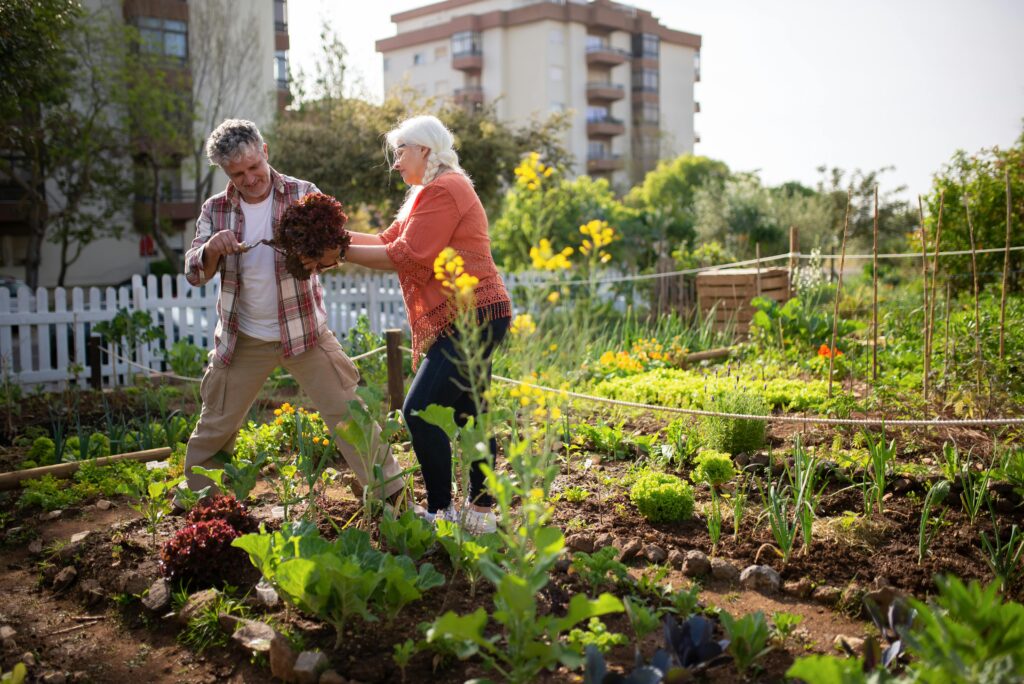
How it shows up in daily life: We may not think about it, but purpose can and does show up in the activities we do. Purpose might come from volunteering, hobbies, caring for loved ones, community involvement, learning, or even smaller goals like tending a garden, being there as support for a friend, or just connecting with nature. Being outside and spending time in the natural world can provide a sense of peace and purpose for many.
Why Purpose Matters More Than You Might Think – Especially as We Age
As we move into later life, many things change: retirement, physical limitations, changes in our social roles, possibly loss of loved ones, shifts in our daily routines. These transitions can challenge one’s sense of purpose. But here’s the thing: when purpose remains, or is cultivated or rebuilt, it seems to act like a health shield.
Here are some of the ways research shows purpose links to better health:
Better health behaviours
One study of nearly 14,ooo older adults (from the U.S.) found that those in the highest quartile of sense of purpose were less likely over time to become physically inactive, had fewer sleep problems, and were less likely to move into unhealthy body mass index ranges. This is interesting. The sample size of 14,000 is, I would say, quite sizeable, and is showing here why having and actively being involved with a purpose can positively impact your physical health. A fascinating link. Our physical health is of course so important. The fact that having something to develop and work on such as a purpose can positively impact our own health has to be an an encouraging thing.
Reduced risk of disease and mortality
In the Health and Retirement Study in the U.S, higher purpose has been associated with lower all-cause mortality (i.e. people with greater purpose tend to live longer). I do find this so fascinating. If we find things to do in life that gives us that sense of value, helping others, having a reason to get up in the morning, it affects our lifespan. It’s a link you feel we shouldn’t ignore.
Mental health, wellbeing and resilience
We’ve looked at a few examples of studies relating to links between purpose and physical health, but how about the mental health side of things. Research shows that a higher sense of purpose correlates with lower levels of depression, better emotional regulation, and greater well-being. Purpose can act as a buffer during adversity (and adversity is something we will all likely experience from time to time) so that the person is more likely to adapt rather than become overwhelmed.
Also, social relationships and engagement (which are good for mental health) tend to be strong for those who report higher purpose.
Interesting to see here how purpose links in with social engagement, one of the other important pillars of what I believe contributes to our overall happiness levels in life. There is a connection between these ideas, and is a reminder to us of the aspects that are useful to focus on in this crazy journey called life!
Cognitive health & brain resilience
One very recent study (tracking over 13,000 adults aged 45+) found that higher purpose was associated with about 28% lower risk of developing cognitive impairment. I do appreciate that terms such as cognitive impairment can be a little broad, or sometimes a little difficult to comprehend, but ultimately I look at it as we all have brains, we want them to function as best as they can, and if there are things we can do to ensure that continues to be the case, then let’s ensure we do that. Let’s look after the things we cannot see, but we know are important to our overall life.
A meta-analysis across – 140,000 people (ooh, that’s a lot!) – in 32 countries found positive correlations between purpose/meaning and performance on tasks measuring verbal fluency and memory. If you are anything like me you might be questioning what this actually means. From viewing the report, it is saying that your verbal skills and your episodic memory (a type of long-term memory) have a positive impact if you have a purpose in life to work on. Worth pondering over.
Physical health and biomarkers
Feeling life has purpose, in the English Longitudinal Study of Ageing (ELSA), they have drawn a connection between purpose and better physical health, less obesity, more strength, faster walking, less chronic pain and disability.
Disclaimer at this point. Some of my blogs (not all, but definitely this one!) provides links to some in-depth research. I do this purposefully. My belief is that scientfic research is there for a good reason – so we can learn and try and improve things based on these studies. I understand that the outputs from research can be debated, and good debate is a healthy part of life I think, but it’s a good starting point for us to have these discussions. And if researchers out there are spending time looking at links between what we do in life, and our overall physical & mental health, in my mind, that can only be a good thing.

But…It’s Not Magic (and Sometimes Purpose Slips Away)
Okay, so let me just give a little bit of clarity here. Although the research above shows a positive link between purpose and certain health metrics, having a purpose doesn’t guarantee perfect health. It doesn’t mean you’ll never get sick, or that aging will be a walk in the park. What the evidence does suggest though is purpose is one amongst several levers – lifestyle, including nutrition and exercise, medical care, genetics of course, and environment – they all matter. What we are saying though is that purpose seems to amplify the effects of many of those levers.
Also, some people’s sense of purpose can decline in later life due to certain life events, such as;
- Loss of roles – caregiving, employment, bringing up children.
- Health setbacks, which could be your own, your partner, a family member, or friend. This can have a devastating impact and make you reassess different aspects of your life.
- Your own cognitive decline could affect interest in hobbies and passions.
We have to be mindful that life’s circumstances can make our motivation decline, which can then be challenging to try and turn around.
There’s good news however: some studies show that even after a health shock, many older adults maintain or recover their sense of purpose. It’s all linked in with resilience and actively trying to maintain the motivation to continue on a positive path, even when adverse health rears its ugly head.
Practical Ways to Cultivate or Re-kindle Purpose (Because Yes, You Can)
So we’ve looked at some research in this post, showing where purpose can have positive impacts on both your physical and mental well-being. If this is making you think “Okay Matt, this sounds good. But how do I get more purpose?” Well, take a look at the below.
Volunteering/helping others – I do appreciate that volunteering is referenced an awful lot when talking about how to fill time, but with so many charities and organisations out there needing help, then to be able to make our own small (or indeed big) difference has to be a positive. Quick stat. In England during 2021/22, 23% of people aged 65-74 took part in formal volunteering at least once a month. That’s a positive I would say – nearly 1 in 4 people, but naturally it would be nice to see this grow. And with so many benefits linked to volunteering – increased social engagement, stress reduction, improved confidence – there are many more – it’s worth considering this if you haven’t done so already.
Lifelong learning – Retirement shouldn’t mean the end of learning. I mean, why should it? That would only be a barrier we set for ourselves. You can view retirement as being the best time to keep your mind buzzing. Lifelong learning helps you remain mentally sharp and focused, and gives you new knowledge you can show off to your friends about. For me, I’ve been delving into some of the BBC bitesize learning, even back to the primary school resources. Words like cytoplasm, nucleus, cell membranes have re-entered my headspace – words I probably haven’t heard for bordering on 40 or so years, but now I actually know what they mean! Don’t test me please!
Narrative work – Here we’re looking at reflecting on your own life really, looking back and seeing what’s worked and what maybe hasn’t. I guess this is trying to look at ideas on ways you’ve spent your time in the past that you enjoyed, with the consideration of bringing more of it into your life now perhaps. Was there a little hobby you started 15 years ago that, at the time, you didn’t pursue as there were too many demands on your time? It’s a chance to look at the activities you’ve perhaps dabbled with over the years, and seeing if there’s anything you might consider rekindling and bringing back into your life now.
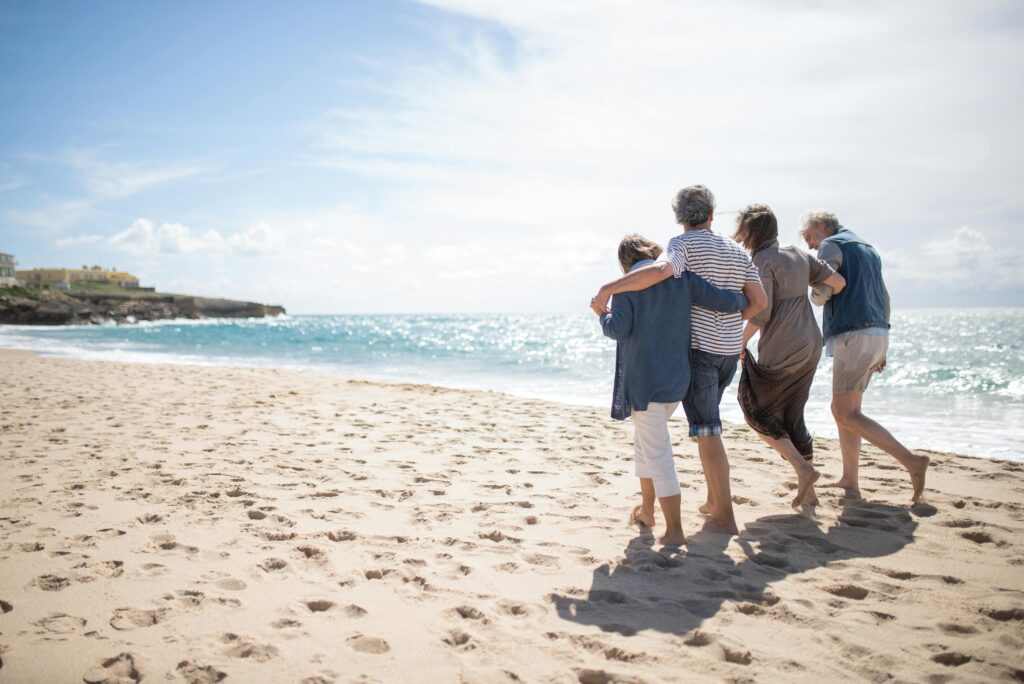
Social engagement – Staying socially engaged in retirement is just as important as keeping physically active. Regular connection with friends, families or community groups can help you combat loneliness, lift your mood, and give you a sense of belonging – it makes you feel involved and part of a unit of people. You can share your own stories, or, just listen to others. You don’t have to be a great conversationalist. Ask a few questions, have a bit of curiosity, and sit back and let others do the hard work of the talking! In all seriousness, humans do like to have a chitter chatter, so if you feel a little uncomfortable in social situations, you can keep your talking to a miminum, but just have some curiosity about the life of others and let them do the speaking.
Why This Matters for You (and Me)
As we age, health isn’t just about warding off disease – it’s about quality of life. It has to be. We only get one pop at this crazy thing called life, so it’s important we ensure we are living it as best we can. We want to feel alive, feel connected, useful and engaged. Purpose plays a role in all of those. The research suggests it’s not just a ‘nice to have’, it may well be a ‘need to have’.
And remember, I’m at pains to add that when I talk about purpose, as much as it can be the big, grand things in life such as learning a new hobby, or getting fit to take part in a sporting event, it doesn’t have to be of this ilk. Small activites can work just as well. Cooking for family, neighbours or friends could be a pursuit you take up or develop if you have a certain level of cooking skills (which I certainly don’t). Caring for your garden and watching it thrive can be a pursuit you dedicate time to. There’s nothing like seeing plants and shrubs growing throughout the summer and wildlife making their heady way to grab some seeds, nectar and pollen. Or be a supportive friend – just make it your mission to check in with your circle of friends often, and be there when problems occur for them. It’s not always about offering solutions – sometimes just a listening ear can help.
Purpose is something that many of us can influence, even later in life. It doesn’t require huge resources; it just needs intention, and sometimes a splash of courage to try something new. I know it’s a cliche to say, but it is true. Your future is a blank canvas that just has nothing on there – I guess that’s why it’s blank! You decide what goes on that canvas, and you have the control to do that. There are endless (and I really believe that) options out there on how we can spend our time – we are innundated with choice. Experiment, pick an activity or two, ride with them for a small period of time, perhaps a week. Stick with what you like a bit longer, dismiss for the time being the activities you don’t like. And keep doing that until you’ve got several interests, activities, past-times – whatever you wish to call them – that are forming part of your days and weeks. Try it – you’ve got nothing to loose. Apart from time. But we’re all loosing that anyway!

Conclusion
Purpose isnt’a luxury or just a ‘nice-idea for retirees’. It’s an essential ingredient in later life that can protect and sustain both physical and mental health. The research is clear: people with a strong sense of purpose tend to live longer, think clearer, stay more active, suffer less cognitive decline, and often report better wellbeing.
If there’s one takeaway, it’s this: invest time into purpose. Whether that means starting small, adapting to changing circumstances, or finding new roles or goals in life, it is something you can cultivate. And sometimes the smallest spark of meaning can light up a lot of days ahead.
I’d love to hear from you. What gives you a sense of purpose or helps you stay healthy in retirement? Share your thoughts, stories, or tips in the comments below – you never know, your own personal experience may just inspire someone else on their journey.