

A very basic google search tells me that, on average, us humans spend around 90% of our time indoors. Wow. This figure seems to be widely reported, and stems from The National Human Activity Pattern Survey (NHAPS). It reports that people spend 87% of their time in enclosed buildings, and 6% in vehicles. What are lot of our lifetime we spend in an enclosed space.
I get it. A lot of us will have jobs, that for the bulk of us, will be carried out indoors. We can’t all be farmers, post people, or botanists. And then of course with family and home life, we need to carry out all the chores and everything we need to do to maintain the status quo (whatever you want!) at home. So I understand why a lot of what we do is behind closed doors.
Saying that though, the bulk of us, if not all of us to a greater or lesser extent, have spare time. That time when the days endeavours are complete, and we can just sit back, relax, and do as we wish.

Well I don’t think that TV was manufactured in the past year! Okay, so an interesting stat here, and trust me I’m not generalising, but in the UK, research shows the average person spends 38,000 hours during their lifetime watching the box. This equates to about 10 years of life. Now, I just want to add that this blog is not going to turn into berating us TV watchers. I’ve watched my fair share over the years and have derived great enjoyment from doing so. Shows such as The Office, Green Wing, The Royle Family, Ghosts, to name but just a few, have given me enormous pleasure (guess you can tell I’m a comedy fan then).
But I just want to throw one question out there. Is it possible, just possible, that we watch a bit too much of it, and that we could just reign it in a little? As I say, just a question, but if we did, could we give ourselves a little more time outside of the four walls, and enjoy all the benefits that outdoor life gives us.
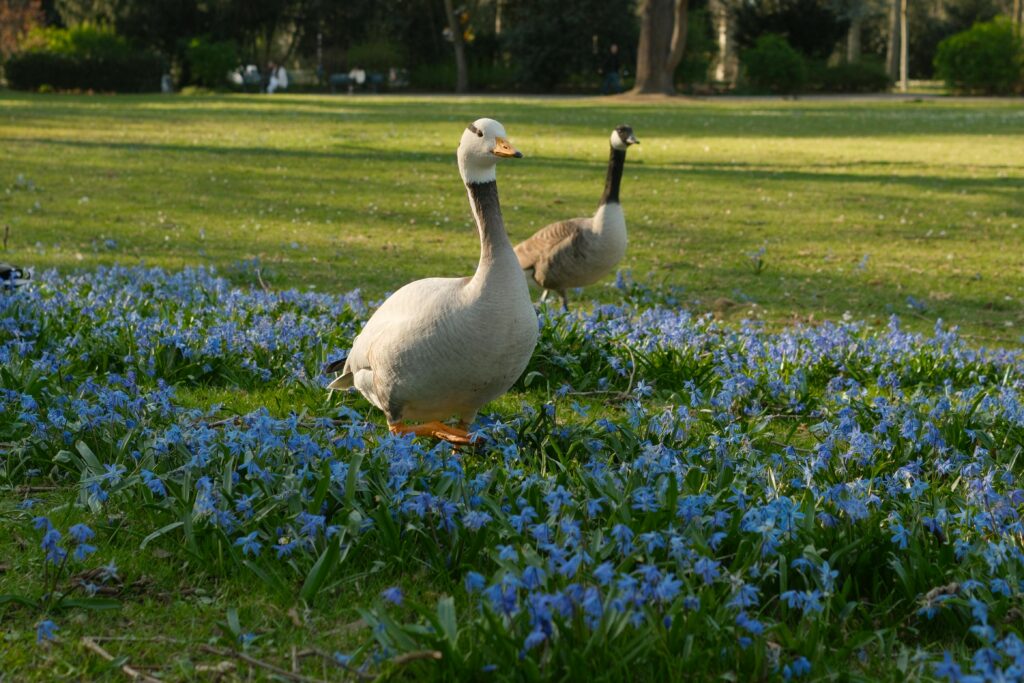
Let’s return to what this post is about, which is the link between nature and retirement wellbeing. We know that retirement marks a significant life transition, giving people new found freedom and opportunities. However it can also bring challenges such as adapting to a new routine, finding ways of filling 17 awake hours per day, managing health concerns and maintaining those all important social connections. One powerful yet often overlooked resource that can enhance retirement wellbeing is nature.
Nature’s impact on Mental Health
Spending time in natural environments has been shown to reduce stress, alleviate symptoms of depression and anxiety, and improve overall mood. A study by Penn State University highlighted that practices like ‘forest bathing’ – immersing oneself in nature and engaging all senses – can support mental, physical and emotional health in adults over 65.
Similarly, a government backed project in England found that nature-based activities such as nature walks and community gardening significantly improved mental health outcomes. Participants reported increased happiness and reduced anxiety, with happiness scores rising from 5.3 to 7.5 out of 10. Quite a jump there.
I like to do this every now and again. Drum roll – it’s time for a quote
“Look around, look at what we have. Beauty is everywhere—you only have to look to see it. – Bob Ross
Cognitive Benefits of Nature
A study published in Nature Cities revealed that even brief daily interaction with urban nature – like sitting in a park or walking among trees – can significantly enhance mental health, especially in city dwellers. The research found that such activities can boost mood, reduce stress and improve focus.
A further study showed that walking in nature, even for a relatively small time such as 15-20 minutes, can improve your attention span. An even longer walk for around 50 minutes can substantially boost cognitive function. All of this going on whilst you take in the beauty of outdoor life.
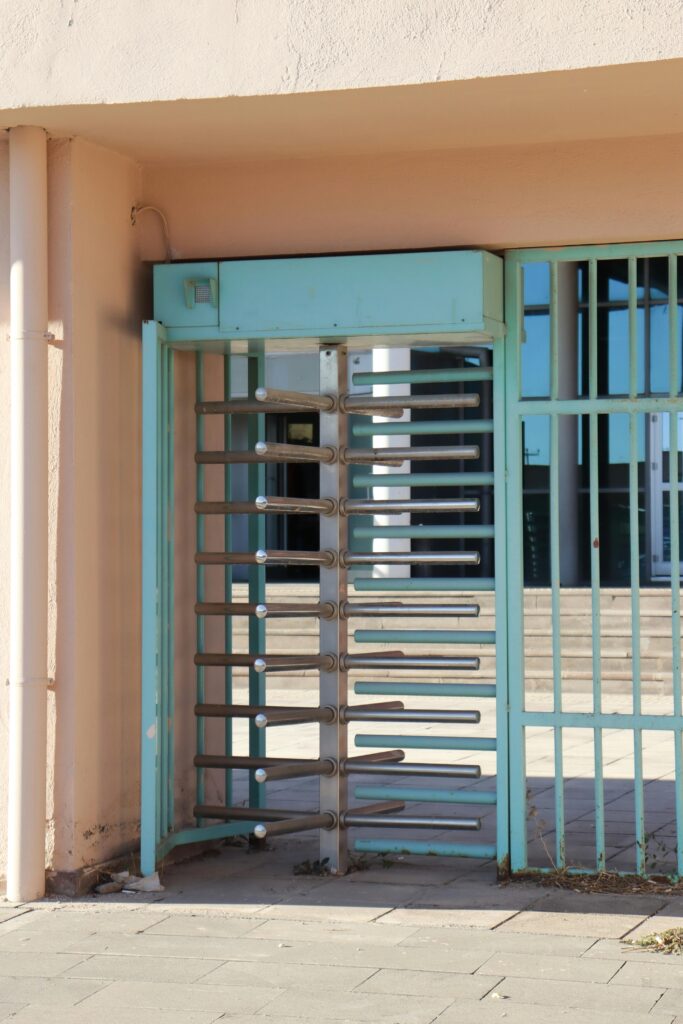
What a strange picture for me to add to this post! There is a reason for it though, promise!
I’ve said it before in a previous blog post, and I’ll say it again. I feel blessed that we have the freedom to venture outside of our front doors, any time of the day or night, without paying a penny. I know it sounds silly – I mean, would we really ever expect there to be a turnstile outside of our front door where we pay a monthly membership like we might see at the gym? The day of course will never come (well, it better not) but all I’m trying to express here is the value I personally place in being outdoors. In fact I’m outside writing this post now. We can go outside whenever we wish, and it doesn’t cost a single penny. We don’t get much for free in this world, so why not take advantage of this little freeby and get outdoors as much as you can.
Physical Health Benefits
Nature also plays a crucial role in maintaining physical health during retirement. Regular walks in natural environments help seniors to maintain mobility and strength. I appreciate this all depends on where you live, but varied terrain out there will engage different muscle groups, improve balance and co-ordination. So if your lucky enough to live close to some hills (I fortunately am) get yourself up there if you can and admire the views. If hills aren’t on your doorstep, maybe just look for paths or pavements where there is an incline. Research shows the multiple physical benefits you gain when you step outside, so remember it’s not just cognitive benefits and other mental health gains you are getting – it’s the full package of physical benefits too.
Social Connections and Sense of Purpose
I will be talking a lot on this website about the importance of us connecting with our fellow human beings, but also about deriving purpose in what we do. I believe both these facets of life are hugely important. You may ask how can walking give you a sense of purpose – well I think I’ve found one way where it very much has.
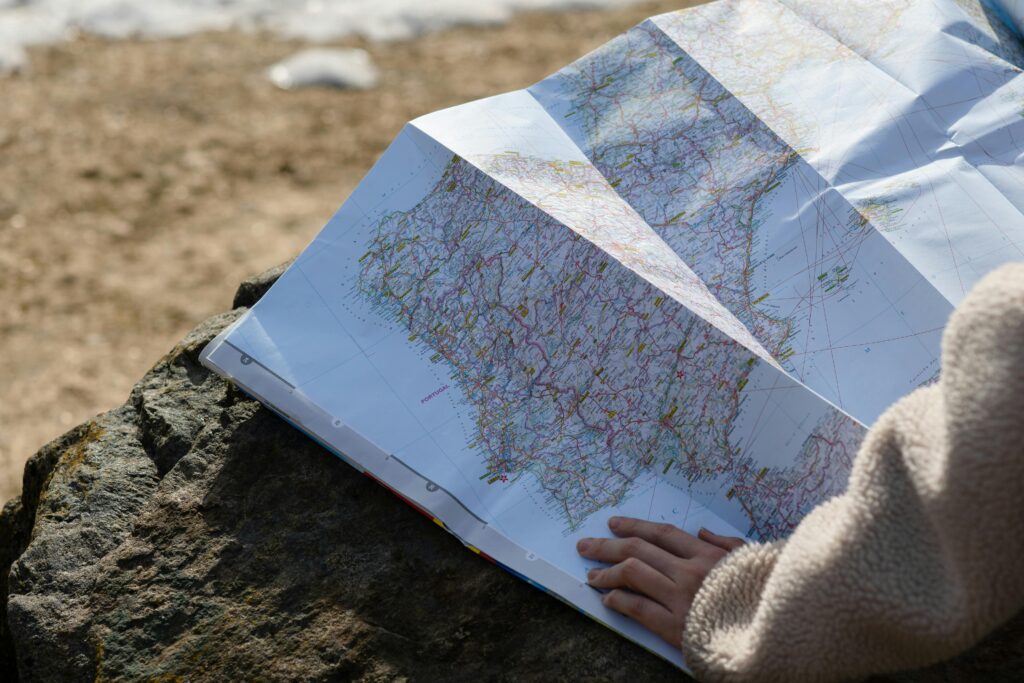
Some of you may remember a little ditty by a Scottish duo named The Proclaimers called I’m Gonna Be (500 miles). It was released way back in August 1988 and as I type this, is another reminder to me about how time flies. In this track the two brothers advised they would walk 500 miles and then, if that wasn’t enough, walk 500 more. I mean, good on them. Nothing like going big eh!
Well, I do have to say, I have taken on board The Proclaimers advice, and have actually done it myself. Both this year and last year. Trust me, this isn’t half as impressive as it might initially sound.
Around three years ago I began subscribing to a UK walking magazine so I could gain some insights into some lovely walks around the area. Early on in the magazine they talked about an initiative they’ve been running to try and get people outdoors – it was to walk 1000 miles in 12 months. I thought to myself ‘wow, that sounds a lot’. I thought that because, well, it is.
But, if you break it down to a daily amount, it works out at 2.74 miles a day. For a person of average pace, such as myself, that equates to anything between 45-60 minutes walking a day. Now I will do another post on this challenge, because I believe it deserves one all if its own, however I just wanted to throw this idea out there at this stage, because for me it gave a wonderful sense of purpose and a reason to get outdoors.
How have I done with it? The first year was two years ago – I did around 800 miles. So a flop I guess. But of course it wasn’t. I did 800 miles – in itself, a wonderful achievement. For a person like myself who wanted to burn calories to loose weight, this 800 miles apparently equated to around 80,000 calories. Surely I deserve a sausage roll as a treat for that!
Both last year and this year it’s all been fine and dandy. Last year I walked around 1250 miles. This year, at the time of writing in September 2025, I’m at about 1030 miles – so target already hit. I’m lucky. Although I keep myself busy outside of my full time job, I still have enough time to get outside and enjoy the fresh air – it helps that I love it.
I just wanted to reference this as this challenge, shall we call it, did give my walking a sense of purpose. I’m 52 now. I want to do this challenge every year until I am no longer physically able. My goal is to still be walking an annual 1000 miles in my nineties, although I do appreciate I will still have to be alive then to be able to do it! Fingers crossed.
Anyway, I digress. Purpose and social connections. Well, we’ve looked at one example of purpose above – how about social connections then.
Retirement can sometimes lead to feelings of isolation. Spending time outdoors can promote social interaction whether through meeting new people or spending time with friends and loved ones. Sometimes a simple ‘good morning’ or a smile from a stranger can lift your spirits. Conversely a simple ‘good morning’ or smile from yourself might lift another person’s spirits. Natural environments are comforting sites for spiritual connectedness and for escaping the strains which are common in later life, such as boredom, isolation and loneliness.
Additionally, engaging in nature-based activities can increase one’s sense of purpose and accomplishment, further enhancing overall wellbeing.
Practical tips to Incorporate Nature into Daily Life
Daily walks: Aim for at least 15-20 minutes minutes of walking in a natural setting each day. Remember the 1000 mile challenge? You won’t of course achieve that by walking 15 minutes a day, but you could devise your own challenge – maybe 365 miles in a year – so one mile a day. A 20 minute daily brisk walk may well just about get you there.
Gardening : You don’t even have to go far to experience the benefits of outdoor life. If you’re lucky enough to have a garden, spending time tending to it will not only help keep it looking in good order, you will also experience the mental and physical benefits being outdoors brings. If you don’t have a garden, you could consider renting an allotment if they are available close by, or look at community gardening schemes. There will also be plentiful amount of volunteering opportunities as well for you to make your own contributions to the great outdoors.
Join Nature Groups: Look for local walking groups, bird-watching clubs, or environmental organisations. These groups will offer social interaction of course, and shared experiences in natural settings. If you have access to the internet, a simple google search should locate any groups within your vicinity.
Mindful nature practices: Engage in activities that allow you to ‘switch off’ and allow your senses to take in all that is around you. Try and move away from your busy brain swirling with thoughts and allow your senses to take in your surroundings. Whether it’s watching a group of birds in flight, hearing the sound of a dog barking in the distance, or smelling some lavender or honeysuckle, allow your senses to take over, and keep thoughts about answering those emails or whether you should have had that extra biscuit away from your head space.
Conclusion
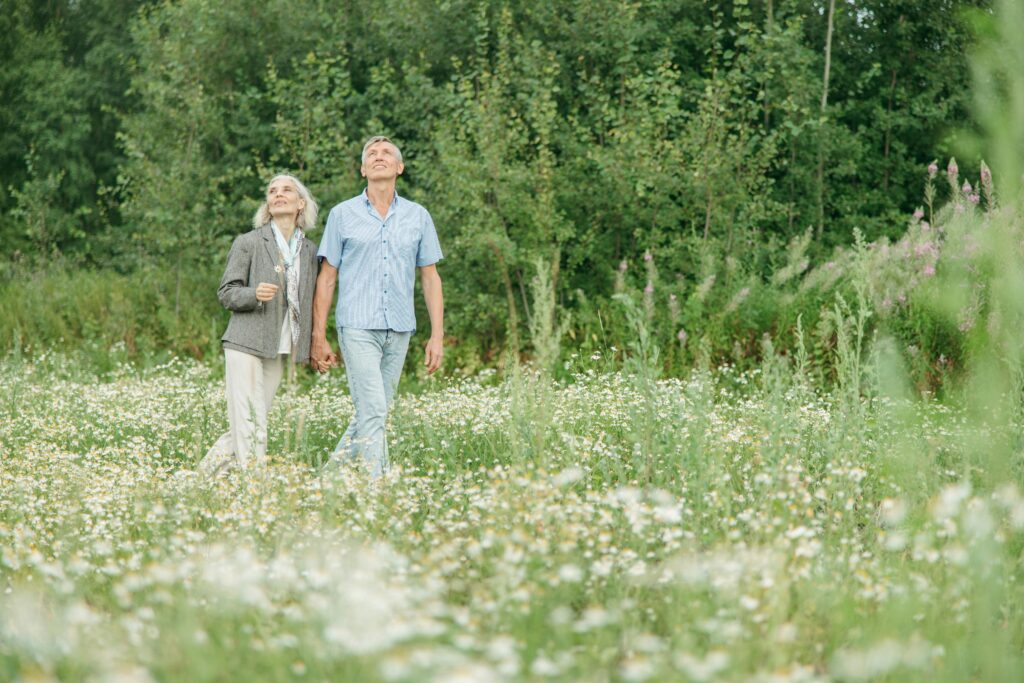
Incorporating nature into daily life during retirement isn’t just a leisure activity – as we can see from research it’s a vital component of maintaining mental, physical and emotional health. Whether it’s a daily walk in the park, tending to a garden, or simply sitting in a natural setting and taking in your surroundings, the benefits are profound and far-reaching.
Why not consider bringing out The Proclaimers in you and begin your journey tomorrow of walking 500 miles – and then walking 500 more. Or start smaller – whatever works for you.
Remember, whether it’s walking or any other outdoor activity, spending time in nature isn’t just refreshing – it’s a proven boost for body and mind. I’d love to hear how the outdoors impacts your own wellbeing. Do you have a favourite activity that works for you and lifts your spirits? If so, please do share in the comments below. Who knows, you may suggest an idea others haven’t thought of before and could prove beneficial for them.