

Gratitude. A word we no doubt have all heard of, but what does it mean? Gratitude is simply the practice of noticing and appreciating the good things in life – big or small. It’s not about pretending there are no difficulties in life or that everything is perfect – it’s about recognising that even when the going gets tough (like it did for Billy Ocean), there are moments, people or experiences worth valuing. Gratitude can shift our attention away from what we lack to what we already have which can boost happiness, reduce stress and even improve physical health.
In retirement, gratitude can be especially powerful. We know that this stage of life comes with big changes. Practising gratitude helps anchor us, reminding us of the freedoms, opportunities and relationships that are already present. We will look later on in this post about how we can reframe how we view retirement by using a gratitude mindset, but at this stage just remember, we have a choice. We can dwell over what we lack (not a good choice) or appreciate what we do have and what the future may hold (that, I think, is a better choice).
Let’s remember though, gratitude is good at any age. For children it nurtures kindness, for adults it can help keep the daily grind in perspective. The more we practice it, the more our brains adapt to see the positives. Think of gratitude as a mental muscle – the more you exercise it, the stronger (and happier) you become.
Let’s explore now why gratitude is such a powerful attribute to nurture in retirement, and how you can cultivate it in a way that enriches every day of your life.
Why Gratitude Matters in Retirement
You might be wondering, “Why is gratitude so important now? Haven’t I already lived a life full of experiences?” The answer is yes, but retirement is a unique chapter. The routines, responsibilities and external validations (such as your previous job) that defined your life are changing. Gratitude can help you embrace this new reality instead of resisting it.
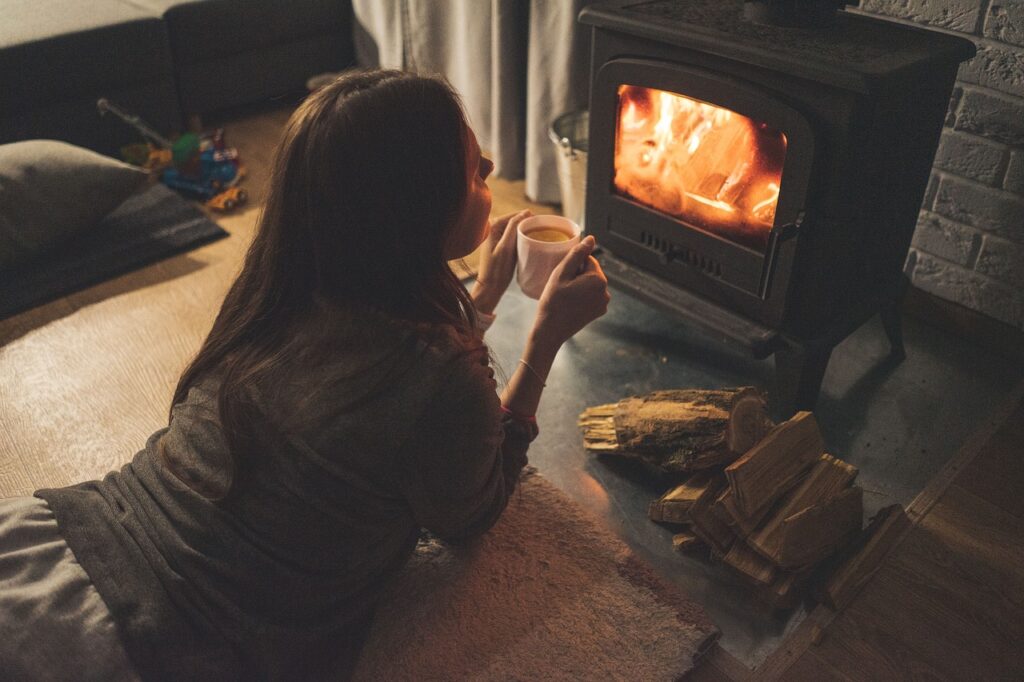
Gratitude keeps you present. We here a lot about staying in the present, and in my mind this is for a good reason. When you retire there is a risk you could start looking back too much. Back to the good times you had in your job role (fingers crossed there were some), maybe the laughs you sometimes had with your colleagues. And of course the meaning that your job may have given to you. But a little bit of gratitude can shift your focus to the present. It’s about noticing the little joys: the birds prancing (do birds prance?!) around in your garden, the warmth and taste of your favourite coffee, the fresh air, or just hearing a joke and having a belly laugh. There are, of course, so many more examples. These small moments are just that, moments, but the more of them you have, the more you begin to notice and indeed appreciate them.
I don’t believe I’ve added a quote to this blog yet – how amiss of me. Here we go then.
“Acknowledging the good that you already have in your life is the foundation for all abundance” – Eckhart Tolle
I like this quote – which is probably why I added it. But it’s so true. Most of us, if we stop and think about it, have some good in our lives. We have struggles, tough times, things that get us down, but I do believe that most of us can stop and think of things that are good about our lives. Maybe just take a few moments now to pause and have a think – see if you can think of up to five aspects of your life (remember the small things) that you can show gratitude for. But do return to this post after you’ve finished – there’s more I want to say!
Gratitude strengthens relationships. Retirement can change your social landscape. You might see colleagues less, even friends or family as they likely may still have busy lives. By cultivating gratitude, you can become more aware of those who enrich your life. Think of your partner for example, if you have one. Let’s be fair, we can all take our loved ones for granted, myself included. They are a part of our lives, a hugely important one of course, but it’s easy to forget the important part they play in our lives. Emotional support, someone to share a few laughs with, someone who is there to work with you to sort out problems. There are many other reasons of course. If you’re lucky enough to be in a loving relationship, just take a moment to be thankful for it.
Gratitude fosters joy. Retirement is an opportunity to rediscover joy in it’s simplest forms. When you actively practice gratitude, joy becomes easier to find. You notice the beauty in nature for example. The other day I was out walking in our local community woodland and this deer just emerged out of the trees in front of me (about 30 foot ahead) and just stopped and stared at me. I stopped, and for about 5 or so seconds, we both just looked at each other. The deer then had enough (don’t blame it) and headed back into the trees. Now the 30 year old me would have just shrugged my shoulders and gone “just saw a deer – big deal” and would have gone on my merry way. The 52 year old version of me however thought “Wow, how lucky we are to have wildlife so close”, knowing that I would return to the same walk in the hope of seeing the same sight again. The simple things. You can also find joy in a casual conversation, the satisfaction of undertaking a hobby, or a delightful meal. Gratitude doesn’t create perfect days, but it can adjust your mindset and make you appreciate the beauty that is around us. There is a lot of it if you take a look.

Gratitude as a Habit, Not a Feeling
Many people can assume that gratitude is something you feel naturally when life is going well. Perhaps you won £10.00 on a scratch card, or the football team you support won. Yes, you will feel grateful for that, but that’s not really what I am talking about here.
The truth is, gratitude is a habit you can cultivate, practice and strengthen over time. You don’t need to rely on good luck – you can just, with attention, bring it to the forefront of your mind. And like with any habit, it becomes easier with consistency.
Here’s why viewing gratitude as a habit is powerful for retirees
It’s accessible for everyone. I mean, this is true. It doesn’t matter who you are, we can all bring a bit of gratitude into our lives. You don’t need money, status or perfect health to experience gratitude. All it takes is awareness and attention. And these two aspects really are important. If we don’t think about it, well, we won’t do it. By bringing it into your headspace, practising being thankful daily, will start to cement it into your brains.
It grows stronger with repetition. This is building upon the previous sentence really of cementing it into your brain. We see this, not just with gratitude, but with many other things in life. The more we do something, the easier it generally does become. And this goes with our thinking too. Our brains create new neural pathways the more we think of certain things. So repetition really is key. This is why life coaches will recommend daily practices, to help cement new ways of thinking/behaving.
It reshapes your mindset. Another important one I feel. Mindset really is your collection of beliefs and attitudes about the world that shapes your thoughts and overall experiences. What I’m really saying here is that practising gratitude does rewire the brain to notice abundance, rather than lack, perhaps turning ‘I wish I had more’ into ‘You know what – I’m happy with what I’ve got’. Notice perhaps as-well, that if you say those two sentences out aloud, does it invoke a different feeling? If may or may not for you, but it certainly did for me. I guess me thinking that I’m happy with what I’ve got gives me a sense of calm, and not necessarily chasing things that are difficult to obtain. Interesting.
The key is to practice gratitude regularly. Some retirees find journaling helpful, jotting down say three things they are thankful for each day. Others prefer a mental ‘gratitude scan’ during quiet moments, perhaps whilst having a drink or out on a walk. I’m definitely the latter. Whatever form it takes though, the act of acknowledging what’s good in your life creates a ripple effect that enhances your overall wellbeing.
How To Cultivate Gratitude in Retirement
Gratitude isn’t something that magically appears – though I think you probably knew that already. It needs to be thought about, and the nurtured. Here are some practical, hopefully motivational ways for you to build this attribute into your daily life.
Start Small, Notice the Everyday
You don’t need grand gestures to experience gratitude. I mean, if you won the lottery or bought yourself a mansion, you would, I’d imagine, feel some form of joy and indeed gratitude. But having millions of pounds or a house that would be quite a pain to vacuum, aren’t needed here. Often, it’s the small, seemingly ordinary moments that carry the most impact.
- The smell of fresh bread or brewed coffee in the morning. Ooh, as I write this I also think about the smell of walking past a chippy. Yum.
- The laughter of a friend or grandchild.
- Being able to walk to your fridge and be able to pull out a snack if you’re hungry.
- Popping outside to look at a full moon in a sky.
You could begin by noticing one small thing each day that makes you feel thankful. You may find it feels a little awkward at first – anything new very much can be that way – but over time your awareness will sharpen, and the simple pleasures of life will become more vivid.
Express Gratitude to Others
Retirement gives you time to strengthen relationships, and gratitude here can be a bridge. A kind word, a compliment, saying thank you, or even a thoughtful text can deepen connections. It’s one of those win, win situations again. The other person benefits from your kind words, and you get a nice warm fuzzy feeling for expressing your appreciation. It fosters warmth, trust, and a sense of belonging – all essential for a fulfilling retirement.
Reframe Challenges
I do like a little bit of reframing in life. It’s that reminder that we can look at a given situation and change how we view it. We do have that choice – although granted it sometimes feels like we don’t. Life isn’t always easy in retirement – heck, life isn’t always easy. But gratitude can help you view challenges differently. Rather than focus solely on what’s going wrong, you can look for what’s good in a situation.
For example, if you’re dealing with a minor health setback, gratitude might help you notice the support of loved ones, the medical care available to you, or the small wins in your recovery. Reframing challenges in this way doesn’t diminish the difficulty – it’s totally understandable that any form of ill health, however minor, isn’t ideal – but it can add balance. It can give you a fuller picture, whereby you acknowledge that negatives are there, but there are also positives.
Surround Yourself with Reminders
I think this is important. We have so much going through our heads each and every day, that it can be easy to forget the art of gratitude. You may read this blog, maybe even read several other blogs on the same subject and think ‘ooh, yes, there’s something in that – I’ll start to be a little more thankful’ and then before you know it, life takes over, housework needs to be done, music needs to be listened to, films to be watched, and before you know it, gratitude has disappeared into the deepest, darkest areas of your brain (wherever that might be – I don’t fancy going there)
Anyway, give yourself little reminders. Visual clues maybe, such as a note on the fridge or a nice photo that evokes a positive emotion. Maybe a sound, a particular alarm on your phone for example where you go ‘Ah, that’s not my get up out of bed alarm, but the time to express some gratitude alarm.’ In all seriousness, when that alarm goes off that can be your trigger to think of several things you are grateful for. You could journal them, or simply think them. Either works – it’s just ensuring it become an active process for you. You could also decide that the first thing you do when you get out of bed in the morning is think of three things you are grateful for. Do that every day and things will build up. Yes, you will repeat yourself – that’s okay – it’s then just cementing in your brain how grateful you are for whatever that thing is. But by starting your day with positive thoughts like this, it has to be a good kick off to the day ahead.
“Gratitude turns what we have into enough” – Anonymous.
Being honest, I don’t know who anonymous is, but I felt this quote was worthy of sharing! Whoever said these words gets a high five from me. Wouldn’t life be so much simpler if we looked at what we already had and just went “yeah, that’ll do – cheers.”

Life Lessons From A Grateful Mindset
The beauty of gratitude is that it enriches life as a whole. It’s not necessarily just one aspect of your life that changes – you begin to appreciate everything in a different way. A few lessons therefore emerge as you embrace this mindset
Happiness is found in noticing. I find this interesting. Happiness to me doesn’t come about from accumulating more items or achieving things. Yes, I might get a feeling glimpse of joy if I pass an exam or buy myself a stonking new music shirt. But that’s always short lived. True happiness to me is noticing the good in what already exists. It’s about generating positive thoughts around what you have. And when you put it this way, appreciating what already exists in your life seems to me so much easier than always having to strive for more.
Gratitude grows with age. Studies and personal stories alike suggest that older adults often report higher levels of gratitude than younger people. I can personally echo this because I know how much my own appreciation of what I have has grown over the years. Back when I was younger if someone said to me “Go on, take a look outside, see how the night sky is looking tonight” I would have shrugged my shoulders and gone “Nah, you’re alright thank you – think I’ll just keep watching the footy!” I guess my point is I now try to use my brain in better ways, and I know that a beautiful view, or just spending a few minutes appreciating the great outdoors late at night, does wonders for how I feel. I do however, still watch the footy!
Gratitude transforms challenges into growth opportunities. Let’s maybe use the example here of someone who is fresh into retirement and has all this wonderful time ahead waiting to be filled with meaningful pursuits. You could look upon this in two ways. You could come into it with a bit of trepidation and fear (which would be understandable by the way) about how you are going to fill your time. Or you could look upon it as a wonderful opportunity – the first time in your life that you’ve had no commitments, that you can now design how your life now looks, free from work obligations. It comes back down to how you choose to view it. You may of course have a mixture of both – some trepidation and some hope for the future. That is perfectly normal. The idea is that you look ahead and aim to appreciate the opportunities that lie waiting for you.
Appreciation makes you generous with your time and spirit. I can see how this would be the case. If you are in a better place yourself, enjoying life and happy with how you are spending your time, you are more likely to want to share and connect with others. And your family and friends may feed of you too. They may notice how appreciative you are, and perhaps the positive vibes you are giving off, and they may want a piece of that pie too. Sometimes another person’s view on life can change how you think about certain situations. I know I have learnt over the years that I always have a choice in any given situation. I never used to think like that – my thinking used to be quite static. But age, and a fondness for learning all manners of self-help material, has certainly changed how I approach life.

Gratitude Isn’t About Perfection
It’s important to be honest: cultivating gratitude doesn’t mean you have to be cheerful 24/7 (I mean, how irritating for all concerned would that be) or ignore life’s difficulties. It’s not about forcing yourself to “be happy” or pretending everything is perfect. True gratitude acknowledges life as it is—both the good and the challenging—and still finds reasons to appreciate, celebrate, and grow.
Even on days when frustration, sadness, or boredom creep in (and that will happen – just accept it when it does) , a grateful mindset allows you to notice at least one thing that feels nourishing. Over time, these moments accumulate, creating a foundation of contentment and resilience that can carry you through the ups and downs of retirement.
Conclusion
Retirement is an invitation—a chance to slow down, reflect, and live with intention. Gratitude can be your compass, guiding you toward a richer, more fulfilling experience. By cultivating awareness, expressing thanks, reframing challenges, and building gratitude into your daily life, you can unlock a sense of joy and purpose that makes retirement truly extraordinary.
The good news? Gratitude isn’t something you stumble upon by accident. It’s a choice, a practice, and a habit that can grow with you. Start small, notice the little things, share your appreciation, and watch as your retirement transforms into a chapter of richness, connection, and fulfilment.
So, today, take a moment. Look around. Breathe deeply. Find one thing you are grateful for. Hold it in your mind and heart. That single act is the first step toward a life of abundance, joy, and purpose in your retirement years.
Because when you embrace gratitude, every day—no matter how ordinary—becomes extraordinary.